

Are all Ultra-Processed Foods Harmful to Your Health?
Introduction to Ultra-Processed Foods
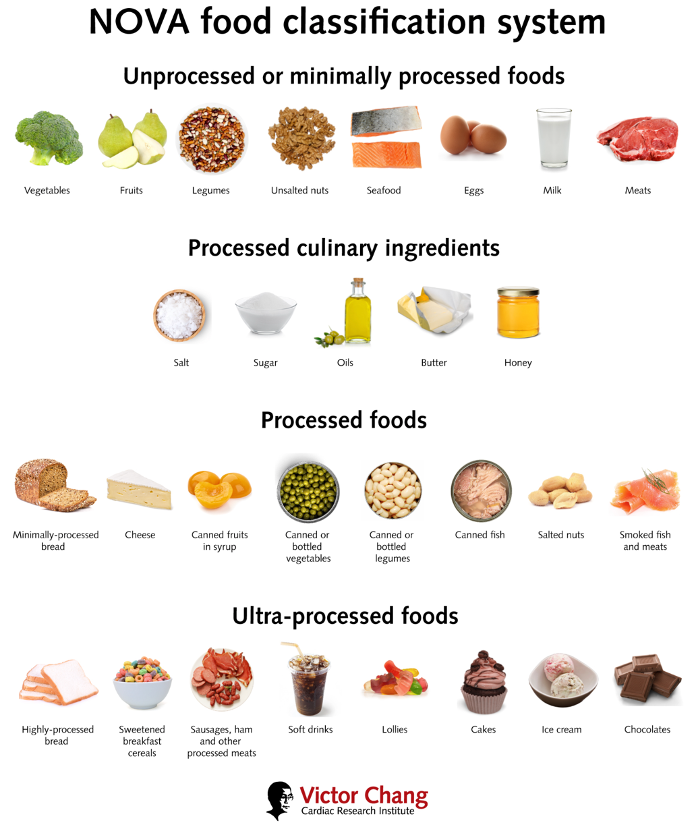
| Much debate has focused on the harms of ultra-processed foods (UPF) to the body. A recent study in the Lancet Regional Health sheds some light on this, revealing that not all UPFs are created equal. In the USA, the total consumed calories from UPF are staggering, at 57% and even 66% in kids’ diets. What are ultra-processed foods? To understand this, we need to know about the NOVA classification system used by world food scientists. This system categorizes edible food into four groups. Unprocessed or minimally processed foods: Think vegetables, grains, legumes, fruits, nuts, meats, seafood, herbs, spices, garlic, eggs, and milk. Processed culinary ingredients. These are substances obtained directly from group 1 foods or nature by pressing, refining, grinding, milling, and spray drying. Examples are salt, sugar, and molasses; honey and syrup from trees; vegetable oils crushed from olives or seeds; butter and lard from milk and pork; and starches from corn and other plants. Sometimes, vitamins, minerals, and preservatives are added. Processed foods: When ingredients such as oil, sugar, or salt are added to foods and then packaged, the result is processed food. Examples are simple bread, cheese, tofu, and canned tuna or beans. These foods have been altered, but not in a way that’s detrimental to health. They are convenient and help you build nutritious meals. Ultra-processed foods: These foods undergo multiple processes (such as extrusion, molding, and milling), include numerous added ingredients (often industrial ingredients), and are heavily altered. Examples include soft drinks, chips, chocolate, candy, ice cream, sweetened breakfast cereals, frozen pizza, packaged soups, chicken nuggets, hot dogs, fries, and more. Why are UPFs bad for your health?A 2019 Canadian study estimated that over one-third (38%) of all cardiovascular events were linked to UPF consumption. Why is this? Typical UPF products contain excessive calories, added sugars, sodium, and unhealthy fats, all associated with an increased risk of heart disease, stroke, and obesity. UPFs also contain compounds created during production and packaging. These compounds include bisphenol-A, emulsifiers, thickeners, advanced glycation end products, sweeteners, acrylamide, monosodium glutamate, and sulfites.UPFs also increase micro-inflammation, diabetes, and atherogenic stresson the body.UPFs are also harmful to your gut health. Most refined sugars are metabolized in the stomach, depriving good bacteria in the small and large intestines. Likewise, studies indicate small-scale effects on mental issues such as anxiety and insomnia. There is also a significant association between intake of UPF and the risk of overall and several cancers, including colorectal, breast, and pancreatic cancer.My head hurts just reading the ingredients on a can of food.So, while they are tasty and fill us up, they do not provide beneficial nutrients. The more ultra-processed foods we eat, the poorer the overall nutritional quality of our diet. How to recognize Ultra-Processed foods?According to some public health experts, a product containing more than five ingredients is likely to be ultra-processed. Put the item back if you don’t recognize many ingredients or their names remind you of your organic chemistry class. Packaged foods should be avoided or minimized. Steer clear of foods with long shelf life or designed solely to enhance taste. What about food that bears little resemblance to its original form (e.g., chicken nuggets)? Think “Kitchen Test”: Ask yourself, “Could I easily make this at home with simple ingredients?” If the answer is no, it’s likely ultra-processed. Are some Ultra-Processed foods better than others?The Lancet study found that consuming cereals, savory snacks, yogurt, and dairy-based desserts is associated with a lower risk of these diseases. Furthermore, ultra-processed cereals and breads are also linked to a reduced risk of stroke. What happened here?Cereals are a top source of whole grains, bran, and fiber for Americans. So, it makes sense to state that consuming low-sugar cereals will reduce the risk of heart disease. Cold cereals are usually fortified with micronutrients, including B &E vitamins, and are linked to lower homocysteine levels and stroke risk. Yogurt: The active probiotics and fermentation in yogurt are good for heart health and work against metabolic disease. Yogurt is also rich in calcium. Particular Savory food (Popcorns): High fiber content and grain can be beneficial here. Kids: Have cut-up vegetables and fruits ready, with proteins like peanut butter, hummus, or small pieces of cheese. Whole-grain crackers can be great, too. The Lancet has reinforced these concerns and proposed population-level interventions: labelling foods by processing degree, restricting marketing to children, limiting availability in schools and hospitals, and reducing retail density. While the exact level of harm remains unclear, reducing ultra-processed foods is a wise choice. Let’s rediscover cooking, embrace whole ingredients, read the labels before buying, and take charge of our meals! |
| Tarak Vasavada, MD HappyMind MD |